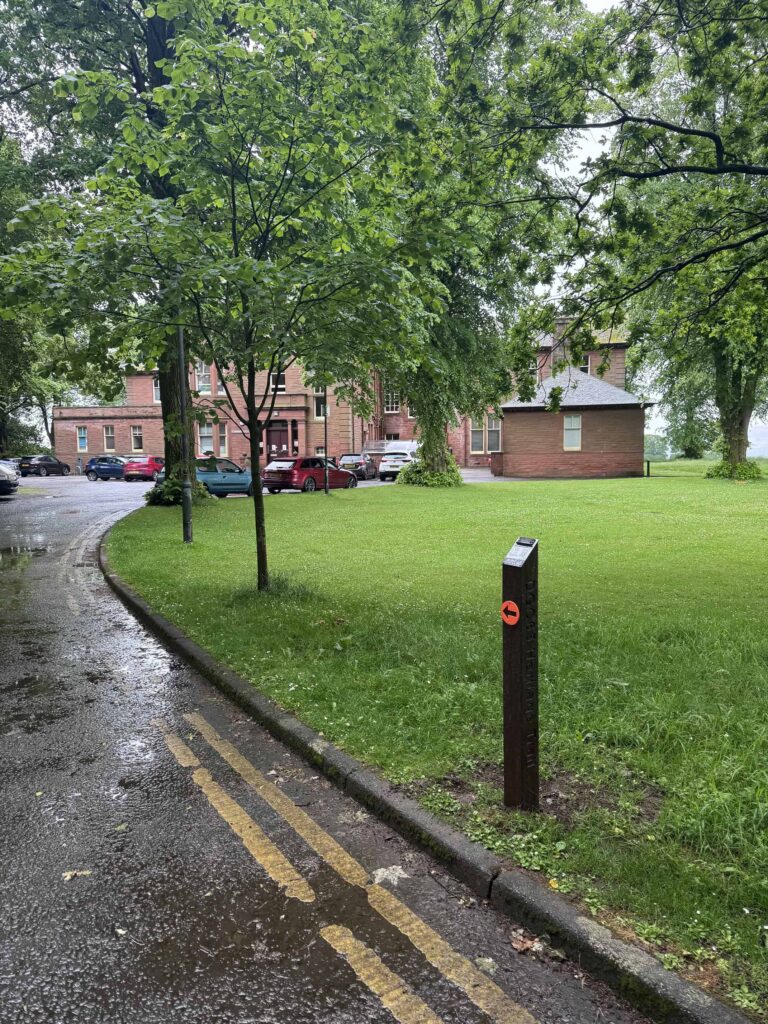

Dumfries and Galloway College Heritage Trail • Stop 1
The Beginning: From George Street – The Crichton
Exploring 65 years of education, community and opportunity.
Listen to this stop
Our first waymarker introduces the beginnings of Dumfries and Galloway College.
From early technical and evening classes in Dumfries to the opening of the College’s first home on George Street in 1961, this stop explores where the college began.
Read the video transcript
Trail marker 1, 65 years of learning, from George Street to Heathhall and the Crichton.
Welcome to Dumfries and Galloway College Heritage Trail. For more than six decades, Dumfries and Galloway College has played a central role in education, skills development, and community life across the region. From its early beginnings, delivering evening classes in Dumfries, the institution has grown into a modern regional college supporting thousands of learners each year.
Today, as part of the Crichton Learning Campus, the college sits within a unique community of education, research, and culture. The origins of further education in the region lie in post-war need of technical education and vocational training needed across Scotland to support local employers and growing industries. These early courses laid the foundations for a structured system of technical education within the region.
Our story formally begins in 1961 at a small building on George Street in Dumfries, where Dumfries Technical College, as it was known, first welcomed its students supporting new and growing businesses in Dumfries and Galloway and a new generation of learners. What began as a small centre of technical training quickly grew as more students sought opportunities to gain new skills and qualifications.
By 1960s, it was clear that the college had outgrown its original home and plans were made for a new campus. The Heathhall Campus was completed in 1973, officially opened by Princess Alexandra. It represented a major investment in education for the region and allowed the college to expand its workshops, classrooms, and student facilities. With the large amount of students attending the college each year, it was becoming obvious that the college needed to expand again, and in 1994, the George Street School of Art was officially opened, returning the college to its spiritual home and giving a place for the creative industries to flourish.
Former Principal Tony Jakimciw described the college’s approach during this period:
“I think we were a college who opened its doors to the community, basically encouraged people to come, wanted to take them on their journey, not select them out, but to select them in.”
That philosophy helped shape generations of learners across Dumfries and Galloway. At the same time, a new vision was beginning to take shape here at the Crichton. The aim was to create a learning campus where colleges, universities, and communities could work together, fulfilling the original educational vision of Elizabeth Crichton. In 2008, that vision became reality when the college relocated from Heathhall to its purpose-built campus at the Crichton. The campus was an innovative, welcoming modern building.
Carol Turnbull remembered the move and explained why bringing education providers together mattered:
“We wanted closer ties with the universities, or we wanted to see what the opportunities could be with closer ties to the university. And it made sense, we’re all quite small institutions, and it made sense to kind of create a kind of learning campus and working in partnership with key personnel in Dumfries and Galloway”
Today, the college continues to support learners of all ages. Current Principal Douglas Dickson believes the college plays a vital role in supporting learners across the region.
“Ultimately, our measure will be what our students think and who comes through the door. And that’s the bit I want to make sure is that even if they’re coming through a virtual door, they’re getting a high-quality experience. I’m keen that to move us on, to be as good as we can possibly be, and deliver for Dumfries and Galloway.”
From George Street to Heathhall, and now here at the Crichton, Dumfries and Galloway College has continued to evolve, adapting to new industries, new technologies, and new generations of learners. But throughout every chapter, one thing has remained constant, a belief that education should be open, practical, and rooted firmly in the community. Today, the college continues to evolve, supporting learners of all ages and backgrounds as they begin their own journeys into education and employment throughout Dumfries and Galloway.
DGC College Development Timeline
From the first dedicated teaching base at George Street to modern facilities supporting digital learning, STEM and green skills, Dumfries and Galloway College has continued to grow with the needs of learners and communities across the region.
1961
Dumfries Technical College Opens
The college established its first dedicated teaching base at George Street in Dumfries.

Early 1970s
Planning for Heathhall Campus
Growing student numbers led to plans for a new purpose-built campus at Heathhall.

1973
Heathhall Campus Officially Opened
Princess Alexandra officially opened the Heathhall campus, providing modern workshops and teaching spaces.

1990
Stranraer Campus Opens
The John Niven Campus opened in Stranraer, expanding access to further education in the west of the region.

1994
George Street School of Art Opens
Creative arts education strengthened through the opening of the School of Art based in the original Dumfries Technical College buildings on George Street

1999
Newton Stewart Learning Centre
A local learning centre opened to improve rural access to further education.

2008
Crichton Campus Opens
The modern Dumfries campus opened at the Crichton estate, consolidating facilities from older sites.
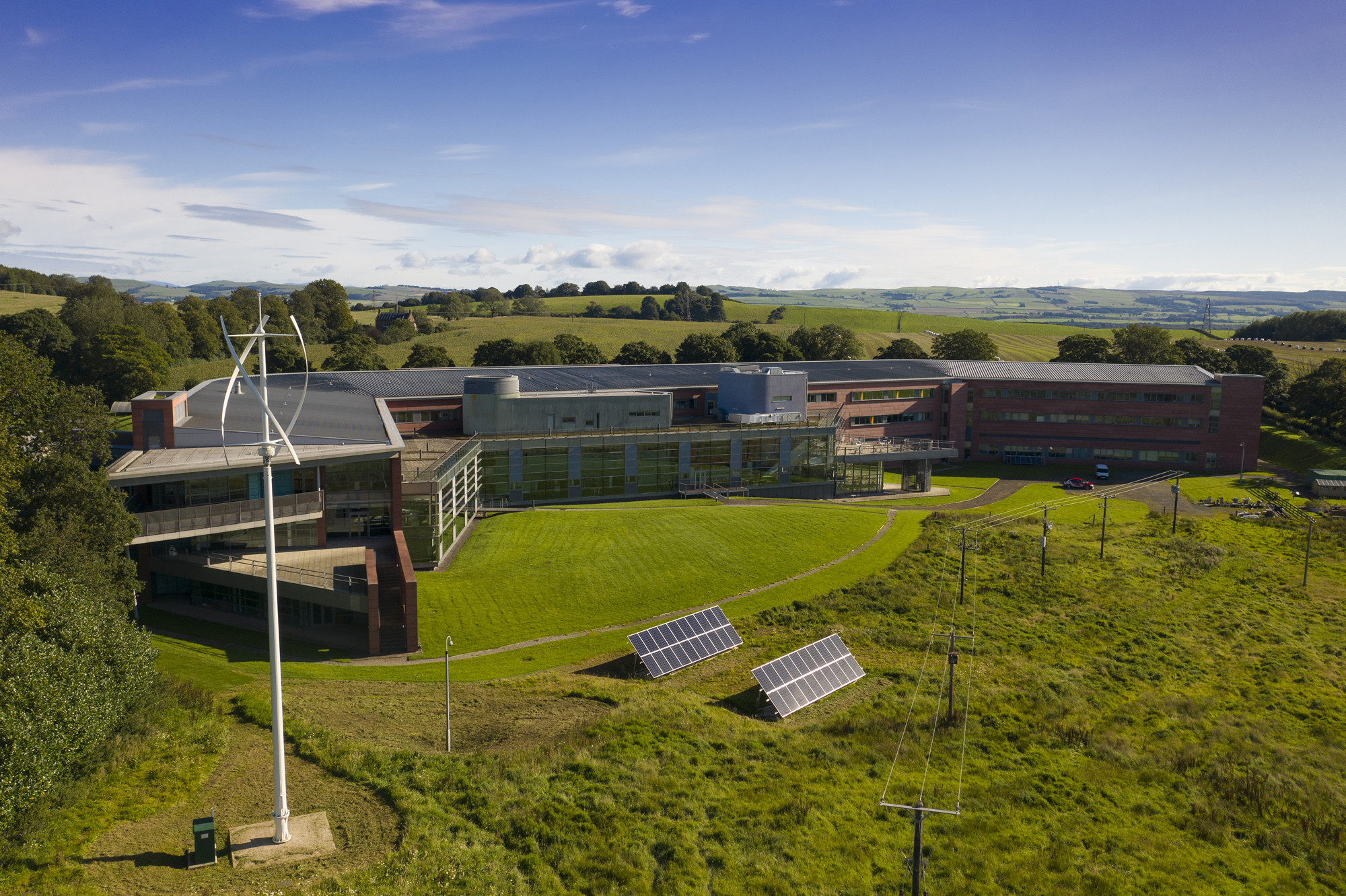
2015
STEM Facilities Investment
Investment supported science, engineering and technology learning environments.
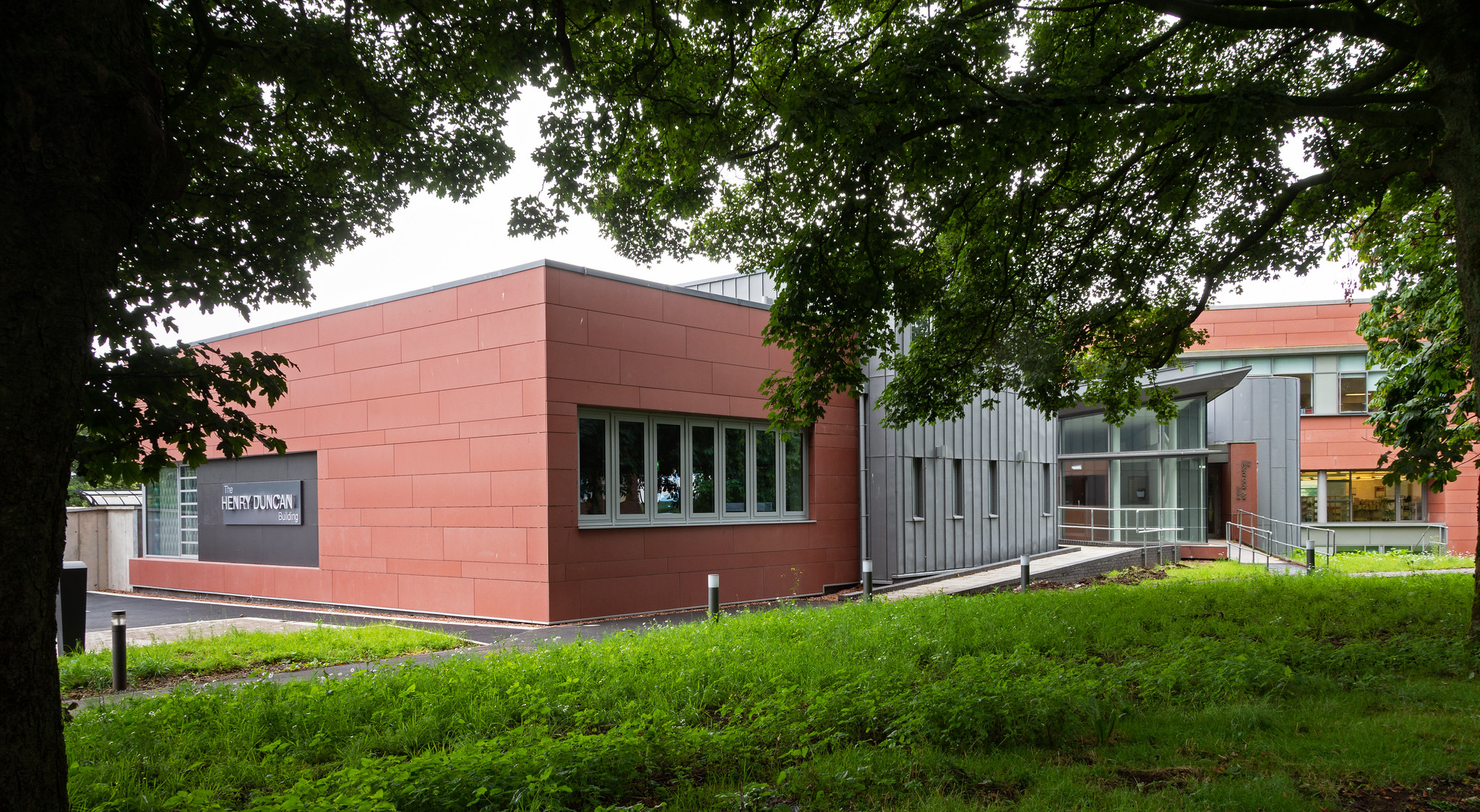
2020
Digital Learning Infrastructure
Digital learning spaces and technologies were expanded to support flexible, modern study.
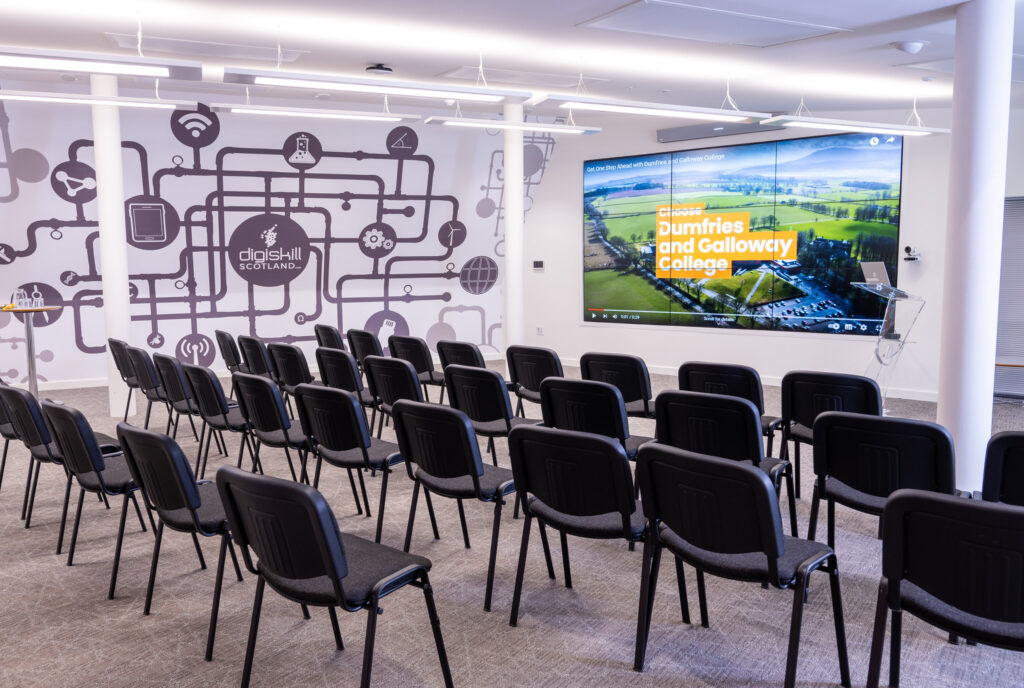
2023
Green Skills Facilities
Facilities were adapted to support renewable energy and sustainability-related programmes.
The early years
The origins of the College lie in the post-war expansion of technical education across Scotland.
During the 1950s, evening classes and vocational courses were delivered across Dumfries to support local employers and growing industries. These early courses laid the foundations for a more structured system of technical education in the region.
Our story formally begins in 1961 at George Street in Dumfries, where Dumfries Technical College first welcomed its students.


Growing beyond George Street
What began as a small centre for technical training quickly grew as more students sought opportunities to gain new skills and qualifications.
By 1966 it was clear that the College had outgrown its original home. Plans were made for a new campus, and in May 1968 Dumfries Education Committee acquired a 20-acre site on a former airfield at Heathhall.
Built at a cost of £1.2 million, the Heathhall campus was completed in 1973. Officially opened by Princess Alexandra, it represented a major investment in education for the region and allowed the College to expand its workshops, classrooms and student facilities.
What came next
The College’s journey did not end at Heathhall…
As it continued to grow, new opportunities followed – expanding with a second campus at Stranraer and developing initiatives such as the George Street School of Art, the Newton Stewart Learning Centre, and The Learning Shop.
This period of progress eventually led to a move from Heathhall to a modern campus at the Crichton.
Continue the trail
As you continue to the next marker, discover how Dumfries and Galloway College expanded and strengthened its role in supporting employers, industries and communities across the region.